If you've ever wondered whether it's time to book an ear wax removal appointment — or how regularly you should be going — you're not alone. Around 2.3 million people a year in the UK have troublesome ear wax that needs removing. But the honest answer to "how often?" is: it depends on you.
Ear wax is completely natural. It's a natural secretion that forms a protective coating on the skin in the ear canal, and the quantity produced varies greatly from person to person. For many people, the ears are largely self-cleaning and wax works its way out on its own. For others, it builds up regularly and causes real problems.
As a general guide:
ENT guidance suggests that ear wax removal in primary care is not typically needed more than every 6 months. If you're finding you need it more often than that, it's worth discussing with your practitioner whether there's an underlying reason.
👉 Not sure what's involved? Visit our Ear Wax Removal page to find out what to expect.
Several factors can speed up how quickly wax accumulates — or make it harder for the ear to clear itself naturally:
Build-up of earwax can block the ear canal, giving a temporary hearing loss and discomfort, and can contribute to outer ear infections. If left untreated, it can also contribute to social isolation and low mood.
Common symptoms to watch out for include:
In a survey of nearly 500 patients attending an ear care service, hearing difficulty was the most common symptom (reported by 86.5%), with many also experiencing discomfort, tinnitus, or a change in the quality of their voice.
👉 If you're experiencing any of these, it's worth getting your ears checked sooner rather than later.
Certain groups are more prone to faster or heavier wax build-up and may benefit from more regular checks:
Hearing aid users
Hearing aid users have four times the risk of wax impaction, as devices push wax deeper into the canal and prevent its natural outward migration. Hearing aid users should have their ears examined every six months.
Older adults
Up to 57% of elderly adults have ear wax impaction, making annual checks essential.
People who have had ear surgery
Previous surgery can disrupt the normal movement of wax, causing it to build up. If you've had a mastoidectomy, grommets, or other ear procedures, always mention this when booking.
People with narrow or unusually shaped ear canals
Anatomy plays a big role — narrower or more curved canals simply make it harder for wax to clear naturally.
People with excessive ear hair
Hairs in the external ear canal can physically block wax from moving outward.
People with learning disabilities
A build-up of wax is also more likely to occur in patients with learning difficulties.
Care home residents
Up to 44% of care home residents with dementia also have impacted ear wax.
👉 If you or a loved one falls into any of these categories, regular ear checks are especially worthwhile. We offer a Home Visit page for those who find it difficult to travel to a clinic — ideal for older adults, those with mobility challenges, or anyone who simply prefers the convenience of being seen at home. We also have a dedicated Children's Ear Wax page for parents, as smaller ear canals and a child-friendly approach make specialist care important.
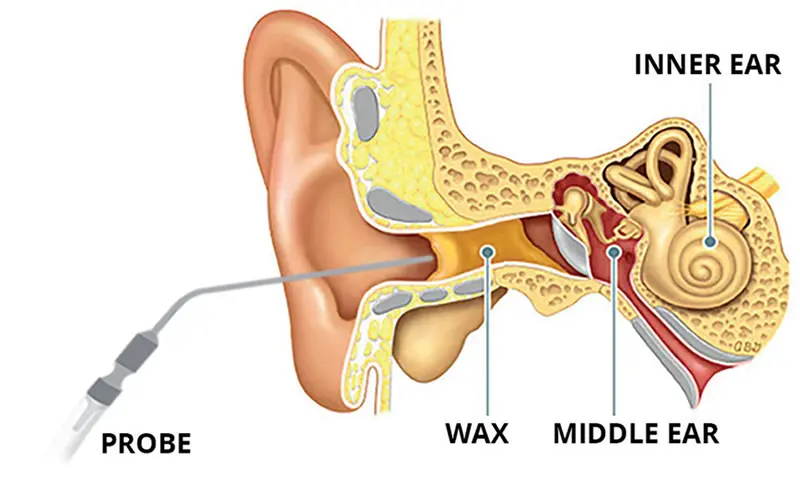
If you're prone to build-up, you don't have to wait until symptoms appear before doing something about it. Regular use of olive oil drops is a simple, low-cost way to keep wax soft and support the ear's natural self-cleaning process.
Put two to three drops of olive or almond oil in your ear twice a day for a few days. Over two weeks, lumps of ear wax should fall out on their own, especially at night when you're lying down.
A few things to keep in mind:
Approximately 8.1 million people in England now face significant barriers to accessing NHS ear wax removal services. Many GP practices no longer offer the service, which means more people are turning to private clinics. Getting help sooner prevents the build-up from becoming more uncomfortable and harder to treat — and professional removal remains the safest and most effective option.
Can I prevent ear wax build-up?
You can't stop your ears producing wax — and you shouldn't try to. It's there for a reason. But you can reduce the chances of it causing problems by avoiding cotton buds, not wearing in-ear earphones for extended periods, and using olive oil drops regularly if you're prone to build-up.
Is microsuction safe?
Yes. Microsuction is widely regarded as the gold standard for ear wax removal. It uses gentle suction rather than water, making it suitable for most people including those who've had ear surgery or perforated eardrums. It's quick, clean, and generally very comfortable. You can read more from our microsuction vs syringing blog post.
How do I know if it's ear wax or something else?
Ear wax is the most common cause of sudden muffled hearing or a blocked feeling, but it's not the only one. If you're also experiencing pain, discharge, or dizziness, or if symptoms came on after a cold, it's worth mentioning this when you book so your practitioner can assess properly.
What if I can't get to a clinic?
We provide a home visit service across the area — visit our Home Visit page to find out more and book.
Is ear wax removal suitable for children?
Yes, though it requires a different approach. Visit our Children's Ear Wax page for everything parents need to know.
How often you need ear wax removal is personal. Some people will go years without an issue; others will need regular appointments to stay comfortable and hear clearly. The key is to pay attention to your symptoms and not wait until the problem becomes severe.
A doctor or nurse can look into the ear canal and confirm whether a plug of ear wax has formed — giving you a clear picture of what's happening and what, if anything, needs to be done. If you're unsure, the safest step is simply to book a check-up. At Bristol Ear Health you can do this easily via our ear wax removal page here.


Complete our form to book your appointment through our online portal.
Our Blogs